Key Points
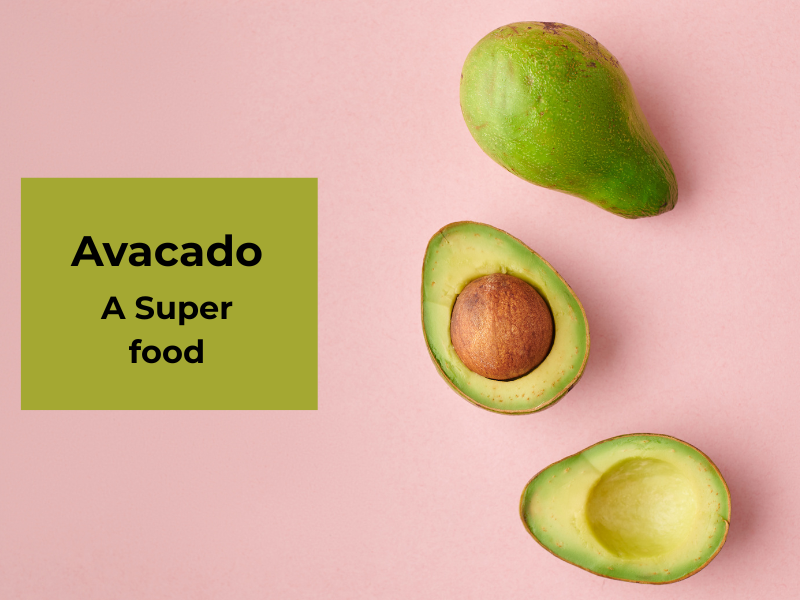
- Avocado as a Superfood: Hailed for its impressive nutritional profile, packed with essential vitamins, minerals, and healthy fats.
- Nutrient Density: Even small servings provide significant health benefits (e.g., 50g serving contains 80 calories, 7g total fat, 3g dietary fiber, 250mg potassium).
- Rich in Vitamins: Contains Vitamins C, E, K, B-6, riboflavin, niacin, folate, pantothenic acid, magnesium, and omega-3 fatty acids.
- Antioxidant Benefits: Vitamins C and E help combat oxidative stress.
- Benefits of Monounsaturated Fats:
- Heart-healthy: Helps reduce bad cholesterol, lowering heart disease risk.
- Weight Management: Promotes satiety, keeping you fuller longer.
- Nutrient Absorption: Aids in the absorption of fat-soluble vitamins (A, D, E, K).
- Culinary Versatility: Blends seamlessly into diverse dishes:
- Avocado on Toast: Popular, customizable breakfast/meal (approx. 200 calories, 11g fat, 5g protein).
- Sushi Rolls (Avocado & Salmon): Provides omega-3s for heart and brain health (Salmon Avocado: approx. 300 calories, 12g fat, 20g protein; Avocado Roll: approx. 140 calories, 7g fat).
- Dunkin’ Avocado Toast: Convenient on-the-go option (approx. 240 calories, 11g fat).
- Hass Avocado: Most popular variety, known for creamy texture and rich flavor (Small Hass avocado, 136g: approx. 227 calories, 21g fat, 3g protein).
- Avocado Oil: Versatile cooking oil with a high smoke point, rich in monounsaturated fats (1 tbsp: 124 calories, 14g total fat).
- Selection & Storage Tips:
- Selection: Ripe avocados yield to gentle pressure, have dark green/black skin, and the stem detaches easily revealing green underneath.
- Storage: Unripe at room temperature (can hasten ripening with a banana); ripe in the refrigerator.
- Prevent Browning: Sprinkle cut avocado with lemon/lime juice and cover tightly.
Introductory Summary
Avocado has become a culinary and health sensation, prized for its creamy texture, rich flavor, and extensive nutritional benefits. This versatile fruit offers a unique combination of taste and health, easily integrating into a wide array of dishes from breakfast to dinner. Beyond its deliciousness, avocado is a true superfood, providing essential vitamins, minerals, and healthy fats that contribute significantly to overall well-being and a healthier lifestyle

The Nutritional Powerhouse of Avocado
Avocados are often hailed as a superfood due to their impressive nutritional profile, which is packed with essential vitamins, minerals, and healthy fats that contribute to overall well-being. These nutrients make avocados a powerhouse of health benefits, supporting everything from heart health to skin vitality. Their nutrient density means that even a small serving can provide significant health benefits, making them an efficient way to enhance your diet.
Avocado Nutrition Facts
A typical serving size of avocado is about one-third of a medium avocado (50 grams). Here’s a breakdown of the nutritional content:
- Calories: Approximately 80
- Total Fat: 7 grams
- Saturated Fat: 1 gram
- Monounsaturated Fat: 5 grams
- Polyunsaturated Fat: 1 gram
- Cholesterol: 0 milligrams
- Sodium: 0 milligrams
- Potassium: 250 milligrams
- Total Carbohydrates: 4 grams
- Dietary Fiber: 3 grams
- Sugars: 0 grams
- Protein: 1 gram
Avocados also contain vitamins C, E, K, and B-6, along with riboflavin, niacin, folate, pantothenic acid, magnesium, and omega-3 fatty acids. This extensive list of nutrients highlights avocado’s role in supporting various bodily functions, from boosting the immune system to aiding in digestion. The presence of antioxidants like vitamins C and E also helps combat oxidative stress, potentially reducing the risk of chronic diseases. To read more about Avocado:Boost Heart, Gut & Growth Naturally
The Benefits of Healthy Fats
Avocados are high in monounsaturated fats, which are heart-healthy and can help reduce bad cholesterol levels, thereby lowering the risk of heart disease. These healthy fats play a crucial role in maintaining cardiovascular health by improving blood lipid profiles. Additionally, they are known to aid in weight management by promoting satiety, helping you feel fuller for longer periods.
Moreover, these fats also aid in the absorption of fat-soluble vitamins such as vitamins A, D, E, and K, ensuring that your body can fully utilize the nutrients from the foods you consume. This makes avocados an excellent companion to a well-rounded diet, enhancing the nutritional value of your meals. Incorporating avocados into your diet can thus lead to better overall health, supporting everything from heart health to nutrient absorption.
Avocado in Popular Dishes
Avocados have become a staple in many diets due to their versatility. Their creamy texture and mild flavor make them a perfect addition to a variety of dishes, from breakfast to dinner. Let’s take a closer look at some popular avocado-based dishes and their nutritional benefits, showcasing how easily this superfood can be integrated into everyday meals.
Avocado on Toast
Avocado toast has become a breakfast favorite for many. It’s simple to prepare and offers a satisfying start to the day, providing a healthy balance of fats, fiber, and protein. This dish can be customized with various toppings to suit your taste preferences, making it a versatile option for any meal of the day.
Avocado on Toast Nutrition:
- Calories: Approximately 200 (depending on bread choice)
- Total Fat: 11 grams
- Carbohydrates: 20 grams
- Protein: 5 grams
Adding toppings like tomatoes, eggs, or smoked salmon can enhance the nutritional profile and flavor, introducing additional vitamins and minerals to your meal. For instance, tomatoes add a dose of vitamin C, eggs provide extra protein, and smoked salmon offers omega-3 fatty acids, making your avocado toast a well-rounded meal. This not only elevates the taste but also boosts the health benefits, ensuring you start your day on the right foot.
Sushi Rolls: Avocado and Salmon
Sushi rolls featuring avocado and salmon are not only delicious but also nutritious. The combination of these two ingredients provides a hearty dose of omega-3 fatty acids, essential for maintaining heart health and supporting cognitive function. This makes sushi an excellent choice for those looking to enjoy a meal that’s both satisfying and beneficial for their overall health.
Salmon Avocado Roll Nutrition:
- Calories: Approximately 300
- Total Fat: 12 grams
- Carbohydrates: 26 grams
- Protein: 20 grams
Both salmon and avocado are rich in omega-3 fatty acids, which are essential for heart health and have been linked to reduced inflammation and improved brain function. This makes the salmon avocado roll a smart choice for those seeking to enhance their diet with nutrient-rich ingredients.
Avocado Roll Nutrition Facts:
- Calories: Approximately 140
- Total Fat: 7 grams
- Carbohydrates: 28 grams
- Protein: 2 grams
Dunkin’ Avocado Toast
For those on the go, Dunkin’ offers a convenient avocado toast option. It’s a tasty way to enjoy avocado while you’re out and about, providing a quick and nutritious meal option that doesn’t compromise on flavor. This makes it a popular choice for busy individuals who want to maintain a healthy diet even when pressed for time.
Dunkin’ Avocado Toast Nutrition:
- Calories: Approximately 240
- Total Fat: 11 grams
- Carbohydrates: 34 grams
- Protein: 5 grams
The convenience of Dunkin’s avocado toast allows you to enjoy the benefits of this superfood without the hassle of preparation, making it an ideal choice for breakfast or a quick snack. Its nutritional profile supports sustained energy levels, helping you power through your day with ease.
Different Types of Avocados
While there are many varieties of avocados, the Hass avocado is the most popular. It’s known for its creamy texture and rich flavor, making it a preferred choice for a wide range of culinary applications. Understanding the different types of avocados can help you select the best one for your needs, whether you’re using them in salads, sandwiches, or smoothies.
Hass Small Avocado Nutrition
A small Hass avocado, weighing around 136 grams, is a nutrient-dense choice that offers a significant amount of healthy fats and vital nutrients. This variety is often favored for its rich flavor and creamy consistency, which blends seamlessly into both savory and sweet dishes.
- Calories: Approximately 227
- Total Fat: 21 grams
- Carbohydrates: 12 grams
- Protein: 3 grams
The Hass avocado’s nutrient profile makes it a versatile ingredient that can enhance the health benefits of any meal. Its higher fat content provides a satisfying, rich taste while delivering essential nutrients that support overall health.
Avocado Oil: A Versatile Option
Avocado oil is another way to incorporate the benefits of avocados into your diet. It’s great for cooking due to its high smoke point and is rich in monounsaturated fats, making it an excellent choice for frying, sautéing, and even as a salad dressing. This oil not only enhances the flavor of your dishes but also contributes to your nutritional intake.
Avocado Oil Nutrition Label:
- Calories: 124 per tablespoon
- Total Fat: 14 grams
- Saturated Fat: 1.5 grams
- Monounsaturated Fat: 10 grams
- Polyunsaturated Fat: 1.5 grams
The use of avocado oil in cooking can help you maximize your intake of heart-healthy fats, which are crucial for maintaining a balanced diet. Its versatility and nutritional benefits make it a valuable addition to your kitchen, offering a healthier alternative to traditional cooking oils.
How to Select and Store Avocados
To fully enjoy the benefits of avocados, it’s important to know how to select and store them properly. Choosing the right avocado ensures you get the best flavor and texture, while proper storage methods help maintain their freshness and nutritional value.
Selecting Ripe Avocados
When choosing an avocado, gently squeeze it in the palm of your hand. A ripe avocado should yield to gentle pressure but not feel mushy. The skin should be dark green to nearly black, and the fruit should feel heavy for its size.
It’s also helpful to check the stem. If it comes off easily and you see green underneath, the avocado is ripe. If it’s brown, it’s overripe, and if it doesn’t come off, it’s not yet ripe. These tips can help you select avocados that are perfect for immediate use or for ripening at home.
Storing Avocados
- Unripe Avocados: Store at room temperature until they ripen, which can take a few days. Placing them in a paper bag with a banana can speed up the ripening process.
- Ripe Avocados: Store in the refrigerator to prolong freshness, which can extend their life by a few days.
If you have leftover avocado, sprinkle the exposed flesh with lemon or lime juice to prevent browning, then cover tightly with plastic wrap or place in an airtight container. This method helps maintain the avocado’s freshness and color, allowing you to enjoy it over several days.You get more info on healthline.com
Conclusion
Avocados are a versatile and nutrient-rich addition to any diet. Whether you’re enjoying them on toast, in a sushi roll, or as avocado oil, they offer numerous health benefits that can enhance your overall well-being. By understanding the nutritional content and incorporating avocados into your meals, you can take advantage of their superfood qualities and improve your diet. So, the next time you’re planning a meal, don’t forget to include this creamy, delicious fruit.
Their ability to complement a wide range of dishes makes them a staple in many kitchens, offering both culinary and health advantages. Embrace the versatility of avocados and experiment with different recipes to discover how this superfood can transform your meals and support a healthier lifestyle.
Avocado is fruit or veg?
From a botanical perspective, avocado is a fruit.beacuse it’s considered a single-seeded berry. Botanically, a fruit develops from the flower of a plant and contains seeds, which avocados clearly do.
However, from a culinary perspective, avocado is often treated as a vegetable. This is because it’s typically used in savory dishes like salads, guacamole, and sandwiches, rather than sweet dishes or desserts like most other fruits.so it is coming in both category.

Ihtesham is a unique blend of science and tech. A licensed pharmacist by profession, he combines his deep understanding of health with a passion for web development. As the founder of Health Oasis Online, Ihtesham specializes in providing evidence-based health content, making complex information accessible and trustworthy.http://ihtesham.net