Introduction
Children’s behavior is often a reflection of the parenting style they are exposed to. Research indicates that there are four main types of parenting styles: authoritative, authoritarian, permissive, and uninvolved. Each style has different implications for child behavior and development.
Authoritative Parenting
Authoritative parenting is characterized by high expectations balanced with support and nurturing. Parents who adopt this style often provide guidance and encouragement, promoting an environment where children feel secure and valued. This approach tends to lead to children exhibiting positive behaviors, such as social competence and self-reliance. The balance of discipline and freedom encourages children to develop critical thinking and decision-making skills.
Authoriarian Parenting
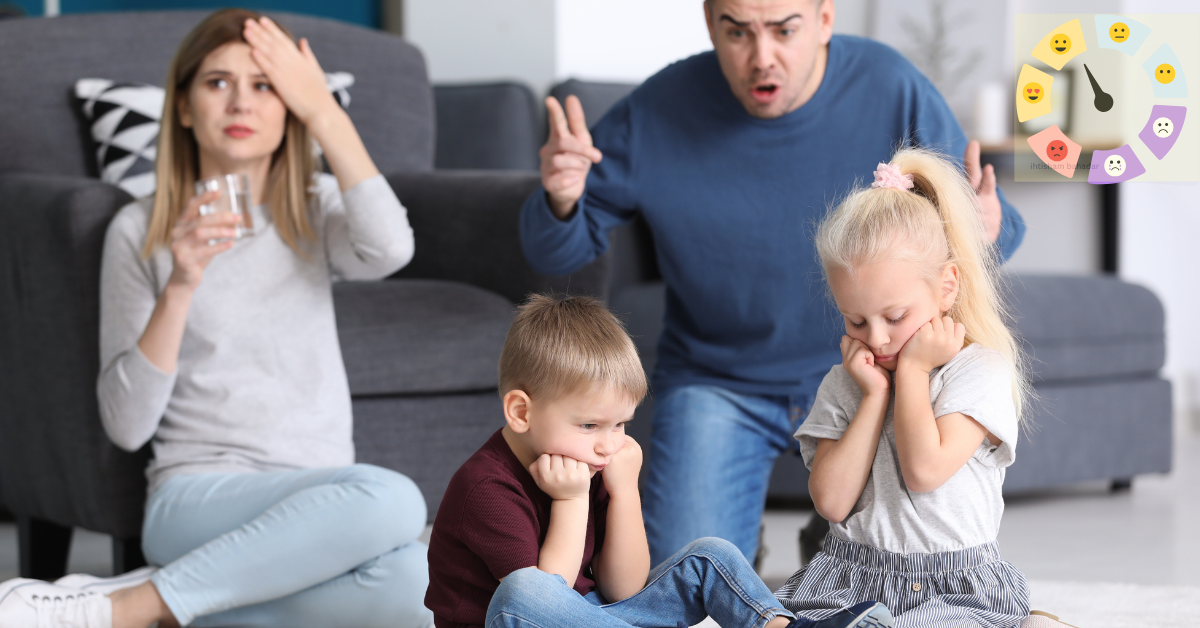
In authoritarian parenting, the focus is on obedience and discipline, often with little warmth or open communication. Parents may enforce strict rules and expectations without providing the reasoning behind them. While this can lead to short-term compliance, children raised in such environments might struggle with anxiety, lack of self-esteem, and even aggression. This style can hinder open communication and discourage children from expressing their thoughts and emotions.
Permissive Parenting
Permissive parenting is lenient, with few rules and minimal discipline. Parents adopting this style often prioritize being more of a friend than a disciplinarian. While children may develop high levels of confidence, they might also struggle with self-discipline, authority, and boundaries. This lack of structure can lead to difficulties in social settings and academic environments where rules and expectations are crucial.
Uninvolved Parenting
Uninvolved parenting is marked by a lack of attention and nurturing. Parents who are uninvolved might be emotionally distant or preoccupied with other issues, providing minimal guidance or support. This can lead to attachment issues and various behavioral problems in children, who often seek attention and validation elsewhere. Understanding these styles can help tailor your approach to managing behavior effectively.
Causes of Challenging Behavior in Children
ADHD and Autism: Behavioral Challenges
Children with ADHD or autism may display challenging behaviors, including sexually inappropriate actions. These behaviors can arise from:if you have difficulty of your child in understanding autism you can take help from https://www.mentalhealth.com/
Impulsivity
Impulsivity is a common characteristic in children with ADHD and autism. It involves acting without forethought, which can lead to inappropriate actions. Children may struggle to control their impulses, often resulting in behaviors that are socially unacceptable or risky. Understanding the root of these impulsive actions is crucial for developing effective management strategies.
Social Cues
Children with ADHD or autism often face challenges in understanding and interpreting social norms. This difficulty can result in behavior that others perceive as inappropriate or disruptive. They may misinterpret social cues, leading to misunderstandings in social interactions. It’s essential to approach these behaviors with empathy and appropriate strategies to guide children towards better understanding and behavior modification.
Behavioral Strategies
Implementing behavior strategies tailored to children with ADHD and autism can foster improvement. These strategies might include structured routines, visual aids, or social skills training. Consistent and positive reinforcement can help children learn appropriate behaviors and how to navigate social settings more effectively.
The Role of Environment
The environment in which a child grows plays a significant role in shaping behavior. Factors such as family dynamics, socio-economic status, and education can influence a child’s behavior.
Family Dynamics
Family dynamics, including relationships between family members and communication patterns, profoundly impact children’s behavior. Positive family interactions often lead to well-adjusted children, while conflict and instability can contribute to behavioral issues. A supportive and communicative family environment promotes emotional security and healthy behavior.
Socio-Economic Status
Socio-economic status can affect access to resources and opportunities, influencing children’s behavior. Children from lower socio-economic backgrounds may face stressors such as financial instability or lack of access to quality education, which can manifest as challenging behaviors. Understanding these challenges can help in developing strategies to provide support and stability.
Education and Social Environment
Educational settings and social environments also play a crucial role in behavior development. Schools that provide inclusive and supportive atmospheres can positively influence children’s behavior. Conversely, negative social experiences, such as bullying or exclusion, can lead to behavioral problems. Creating a positive educational environment can encourage healthy social interactions and behavioral development.
Behavior Change in Children
Children go through various stages of development, each bringing its own behavioral changes. Recognizing that these changes are part of growth can help in managing them effectively.
Developmental Stages
Understanding the various developmental stages of children is key to managing behavior changes. Each stage brings unique challenges and milestones, influencing behavior. Being aware of these stages helps caregivers anticipate behavioral shifts and respond appropriately.
Persistent Behavioral Challenges
While many behavioral changes are a normal part of development, persistent challenging behavior may require additional support and intervention. Identifying when behavior is outside the typical developmental range is crucial for early intervention. Seeking professional guidance can provide strategies to address and manage these persistent behaviors effectively.
Intervention and Support
Intervention and support can come from various sources, including family, educators, and professionals. Collaborative efforts can create a comprehensive support system for children facing persistent behavioral challenges. Early intervention can lead to better outcomes and long-term behavioral improvements.
Positive Parenting Strategies
Building Positive Relationships
The foundation of positive behavior management lies in building strong, positive relationships with children. This involves:
Active Listening
Active listening is a powerful tool for building trust and understanding with children. By showing genuine interest in what children have to say, caregivers validate their feelings and experiences. This practice fosters open communication, encouraging children to express themselves freely and confidently.
Consistent Communication
Consistent communication involves maintaining open dialogues about feelings, expectations, and experiences. Regular conversations help prevent misunderstandings and build a foundation of trust. By consistently engaging with children, caregivers can better understand their needs and guide them towards positive behavior.
Emotional Support
Providing emotional support is essential in building strong relationships. Children need to feel valued and understood, which can be achieved through empathy and encouragement. Offering reassurance and understanding helps children navigate their emotions and behaviors more effectively.
Encouragement and Praise
Acknowledging and rewarding positive behavior encourages children to repeat those actions. Praise should be specific to highlight what the child did well.
Specific Praise
Specific praise involves acknowledging particular actions or behaviors, reinforcing the desired behavior. Instead of general compliments, specific praise helps children understand what actions are appreciated. This clarity motivates them to continue exhibiting positive behaviors.
Reward Systems
Implementing reward systems can further encourage positive behavior. Tangible rewards, such as stickers or small treats, can be effective motivators. However, the focus should remain on intrinsic motivation, gradually encouraging children to find satisfaction in their accomplishments.
Building Self-Esteem
Encouragement and praise contribute to building self-esteem in children. When children feel valued and recognized for their efforts, they develop confidence in their abilities. This self-assurance promotes continued positive behavior and resilience.
Setting Clear Boundaries
Children thrive in environments where there are clear expectations and consistent rules. Setting boundaries helps children understand what is acceptable and what is not.
Setting Clear Boundaries
Consistency in rules provides children with a predictable and secure environment. When rules are consistently enforced, children understand the boundaries and expectations. This clarity reduces confusion and promotes a sense of security.
Involving Children in Rule-Setting
Involving children in the process of setting rules can lead to better adherence and understanding. When children participate in creating rules, they feel a sense of ownership and responsibility. This involvement encourages cooperation and respect for the established boundaries.
Addressing Boundary Testing
Children naturally test boundaries as they explore their independence. Addressing boundary testing calmly and consistently reinforces the established rules. Caregivers can guide children to understand the reasons behind boundaries, promoting respect and adherence.
Behavior Management Techniques
Behavior Modification Strategies
Behavior modification involves reinforcing desired behaviors while reducing unwanted ones. Techniques include:
Positive Reinforcement
Positive reinforcement involves rewarding positive behavior with praise or tangible rewards. This technique encourages children to repeat desired behaviors, as they associate them with positive outcomes. Consistency in applying positive reinforcement can lead to lasting behavior changes.
Negative Reinforcement
Negative reinforcement encourages behavior by removing negative stimuli. For example, completing homework to avoid extra chores can motivate children to prioritize their responsibilities. This approach should be used judiciously to ensure it promotes positive behavior without fostering avoidance strategies.
Punishment and Consequences
Punishment involves applying consequences to discourage unwanted behavior. While it can be effective in specific situations, it should be used sparingly and thoughtfully. The focus should be on teaching rather than instilling fear, helping children understand the consequences of their actions.
Discipline Methods
Effective discipline involves teaching rather than punishing. Techniques such as time-outs or loss of privileges can be effective when used appropriately.
Time-Outs
Time-outs provide an opportunity for children to calm down and reflect on their behavior. This technique can be effective when used consistently and appropriately, allowing children to learn self-regulation and problem-solving skills.
Loss of Privileges
Loss of privileges serves as a consequence for unwanted behavior, encouraging children to consider their actions. This method should be directly related to the behavior and implemented fairly. Clear communication about the reasons for privilege loss helps children understand the connection between actions and consequences.
Teaching Problem-Solving
Discipline methods should focus on teaching problem-solving skills. By guiding children to find solutions to their behavioral challenges, caregivers empower them to make better choices. This proactive approach fosters independence and self-regulation.
Supporting Children with Challenging Behaviors
Behavior Support for Children
Developing a behavior support plan can help manage challenging behaviors. This involves:
Identifying Triggers
Understanding what causes certain behaviors is the first step in managing them. Identifying triggers allows caregivers to anticipate and address potential challenges proactively. By recognizing patterns, caregivers can implement strategies to minimize the impact of these triggers.
Developing Strategies
Creating proactive and reactive strategies to address behaviors is crucial for effective management. Proactive strategies involve setting up environments and routines that support positive behavior. Reactive strategies focus on responding appropriately to challenging behaviors when they occur, guiding children towards better choices.
Monitoring Progress
Regularly reviewing and adjusting strategies as needed ensures ongoing effectiveness. Monitoring progress allows caregivers to assess the success of their approaches and make necessary adjustments. This continuous evaluation promotes sustained behavior improvements and supports children’s growth.
Professional Support and Resources
Sometimes, professional help is necessary. Therapists, counselors, and special education professionals can provide support tailored to specific needs.
Therapeutic Interventions
Therapeutic interventions, such as cognitive-behavioral therapy or play therapy, can be beneficial for children with behavioral challenges. These interventions provide children with tools to understand and manage their behaviors effectively. Collaborating with professionals ensures that children receive comprehensive support.
Educational Support
Special education professionals can offer tailored educational support for children with specific needs, such as those with ADHD or autism. This support might include individualized education plans (IEPs) or accommodations to facilitate learning and behavior management. Schools that provide inclusive and supportive atmospheres can positively influence children’s behavior.
Resources for Caregivers
Caregivers can benefit from accessing resources and support networks. Parenting workshops, support groups, and online resources provide valuable information and strategies. Engaging with these resources empowers caregivers to implement effective behavior management techniques.
Conclusion
Understanding and managing children’s behavior is a dynamic and ongoing process. By recognizing the influences of parenting styles, the impact of environment, and the specific needs of children, caregivers can adopt effective strategies to nurture positive behavior.
Positive parenting, alongside targeted behavior management techniques, can create a supportive environment conducive to healthy development. With patience, understanding, and the right tools, caregivers can guide children towards positive behavior changes, ensuring their growth into well-adjusted individuals.

Ihtesham is a unique blend of science and tech. A licensed pharmacist by profession, he combines his deep understanding of health with a passion for web development. As the founder of Health Oasis Online, Ihtesham specializes in providing evidence-based health content, making complex information accessible and trustworthy.http://ihtesham.net