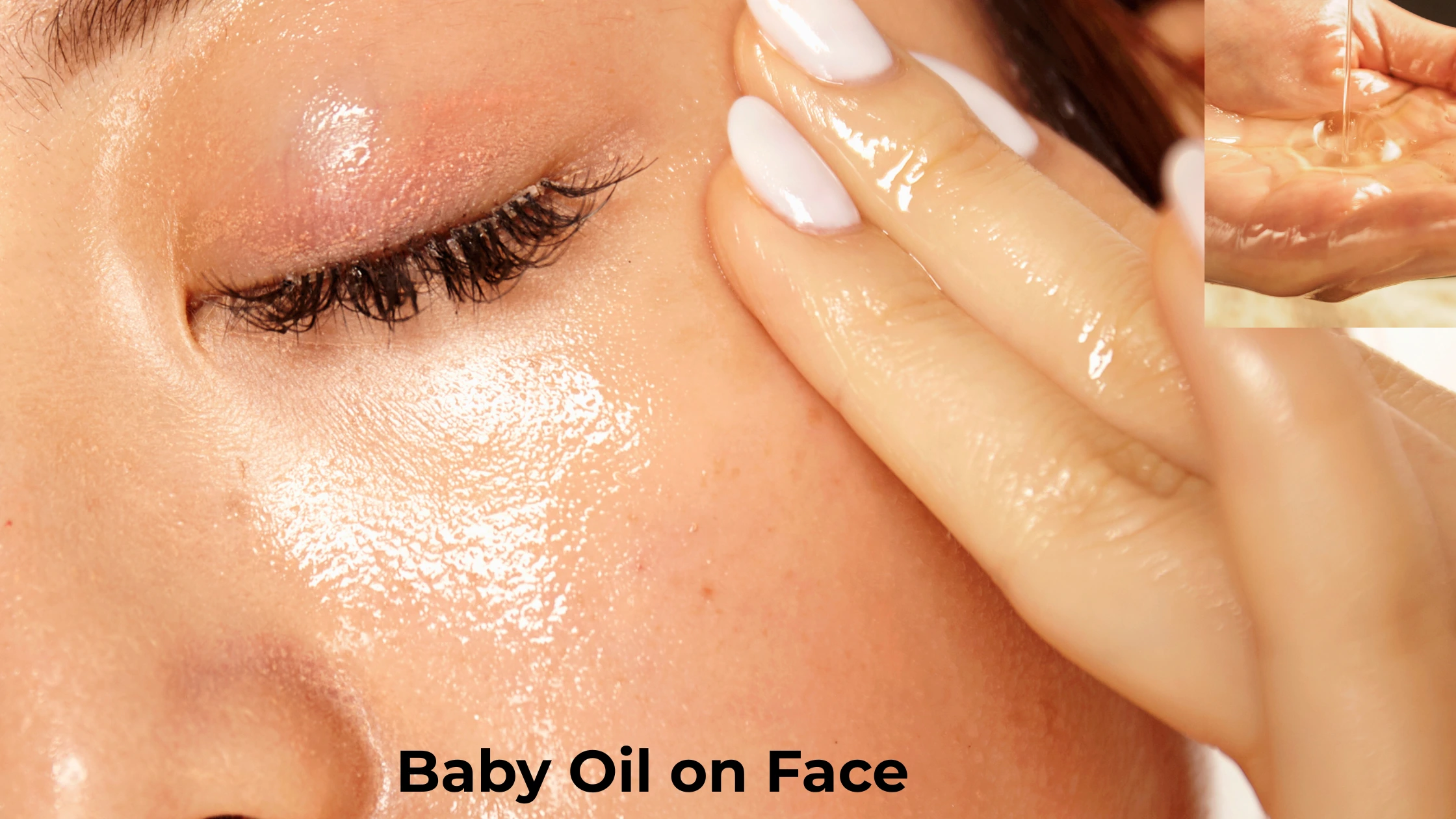
What is Baby Oil?
Baby oil is a mineral based product, often enriched with fragrances, designed originally for baby’s delicate skin. It’s lightweight, colorless, and known for its moisturizing properties. The simplicity of its formulation is what makes it appealing to many, especially those seeking a no-fuss addition to their skincare regimen. But can it work wonders for adult skin, particularly the face? Understanding its composition is key to determining its efficacy and suitability for your skin type.
The primary ingredient in baby oil is mineral oil, a clear, odorless oil derived from petroleum. Its inclusion in baby oil formulations is due to its ability to create a barrier on the skin, effectively trapping moisture. However, it’s important to note that while mineral oil is generally safe, the addition of fragrances and other additives in some baby oils can complicate its effects on adult skin. Thus, a deeper look into both the pros and cons is necessary to make an informed decision.
When it comes to skincare, there’s a myriad of products promising youthful, hydrated, and glowing skin. From high-end creams to DIY concoctions, the options can be overwhelming. However, among the plethora of choices, some people are turning to a simple, age-old product: baby oil. But is it a good idea to use baby oil on your face? Let’s delve into the benefits and potential drawbacks of using baby oil as a facial moisturizer, exploring whether this seemingly simplistic solution is right for your skincare routine.
Benefits of Using Baby Oil on the Face
Effective Moisturizer for Skin Hydration
Baby oil is primarily known for its ability to lock in moisture. It forms a protective barrier on the skin, preventing water loss and keeping the skin soft and supple. For those with very dry skin, this can be particularly beneficial, especially in harsh weather conditions that can exacerbate dryness. The oil’s ability to seal in hydration makes it a valuable tool for those looking to maintain a dewy complexion without the need for a complex skincare routine.
Moreover, using baby oil can be a cost-effective alternative to more expensive moisturizers. Many skincare products on the market today carry a hefty price tag, making them inaccessible to some. Baby oil offers a budget-friendly solution that can deliver comparable hydration benefits. Its availability and affordability make it an appealing choice for those looking to simplify their skincare routine without sacrificing results.
Suitable for Sensitive Skin
Given that baby oil is formulated for infants, it tends to be gentle and suitable for sensitive skin types. If your skin reacts to harsher chemicals found in some skincare products, baby oil can be a soothing alternative. Its formulation is typically free from common irritants like alcohol and dyes, reducing the risk of inflammation and redness for those with sensitive complexions.
Furthermore, baby oil’s simplicity can be its strength. With fewer ingredients, there’s less chance of irritation from additives and preservatives. This minimalist approach aligns well with the growing trend towards clean beauty, where consumers are opting for products with transparent and straightforward ingredient lists. For individuals with sensitive skin, baby oil can serve as a reliable staple in their skincare arsenal.
Natural Skincare Solution
For individuals leaning towards natural skincare solutions, baby oil presents a minimalist approach. With fewer ingredients, there’s less chance of irritation from additives and preservatives. This aligns with the growing preference for natural and organic products in the beauty industry, as consumers become more conscious of what they apply to their skin.
Additionally, baby oil’s straightforward formula can appeal to those who prefer a DIY approach to skincare. It can be easily combined with other natural ingredients, such as essential oils or aloe vera, to create customized skincare solutions. This versatility allows users to tailor their skincare routine to their specific needs and preferences, enhancing the appeal of baby oil as a foundational product in their regimen.
Potential Drawbacks of Using Baby Oil on the face
Not Ideal for Oily or Acne-Prone Skin
While baby oil is excellent for locking in moisture, it might not be suitable for everyone. Those with oily or acne-prone skin should be cautious. Baby oil can clog pores, leading to breakouts or exacerbating existing acne. The occlusive nature of mineral oil can trap bacteria and sebum beneath the skin, creating an environment conducive to acne development.
Moreover, the heaviness of baby oil might overwhelm already oily skin, leading to a greasy appearance. This can be particularly problematic for individuals living in humid climates, where excess oil production is a common concern. Therefore, those with oily or acne-prone skin should explore alternative moisturizing options that offer hydration without compromising skin clarity.
Not Suitable for Combination Skin
For individuals with combination skin, where some areas are oily and others dry, baby oil might be too heavy for the oilier parts of the face. This can result in an uneven skin texture, with some areas appearing shiny while others remain matte. The inconsistency in texture can make it challenging to achieve a balanced complexion, leading to frustration for those trying to manage combination skin.
Additionally, the use of baby oil might necessitate the application of additional products to address specific skin concerns, complicating the skincare routine. This contradicts the minimalist appeal that baby oil initially presents. For those with combination skin, seeking out products specifically formulated to address varying skin needs may prove more effective in achieving a harmonious complexion.
Fragrance Sensitivity
Many baby oils are scented, which might not sit well with everyone. Fragrance can be a common irritant, especially for those with sensitive skin or allergies. The presence of synthetic fragrances can trigger allergic reactions, leading to redness, itching, and discomfort.
For individuals with fragrance sensitivities, opting for unscented versions of baby oil can mitigate potential irritations. However, it’s crucial to read ingredient labels carefully, as even products marketed as “unscented” may contain masking fragrances. Understanding your skin’s tolerance to fragrances and selecting products accordingly is key to maintaining a healthy skincare routine.
How to Use Baby Oil Safely on Your Face
Patch Test First
Before applying baby oil all over your face, do a patch test. Apply a small amount to an inconspicuous area, like behind your ear, and wait 24 hours to see if there’s any reaction. This precautionary step can prevent adverse reactions and help you determine if baby oil is compatible with your skin.
Patch testing is particularly important for individuals with sensitive or reactive skin. It allows you to assess any potential irritation or allergic response in a controlled manner, minimizing the risk of widespread reactions. Incorporating patch testing into your skincare routine can enhance your confidence in trying new products, including baby oil.
Application Tips
For those who find baby oil beneficial, application is key. Use it sparingly; a few drops go a long way. Gently massage it onto damp skin after cleansing to lock in moisture effectively. Applying baby oil to damp skin enhances its absorption, ensuring that the skin retains maximum hydration.
Additionally, consider using baby oil as part of your nighttime routine. Its moisturizing properties can work overnight to nourish and rejuvenate the skin, allowing you to wake up with a refreshed complexion. Incorporating baby oil into your evening skincare regimen can optimize its benefits without interfering with daytime makeup application.
Mix with Other Products
If baby oil alone feels too greasy, consider mixing it with your regular moisturizer. This can dilute its heaviness while still providing hydration benefits. The combination of baby oil with other skincare products can create a balanced formulation that caters to your skin’s unique needs.
Experimenting with different ratios of baby oil and moisturizer can help you find the perfect balance for your skin type. This customization allows you to enjoy the benefits of baby oil without compromising on texture or finish. Such flexibility makes baby oil a versatile component in any skincare routine.
Alternatives to Baby Oil
If baby oil isn’t the right match for your facial skincare routine, there are other natural oils to consider:
Jojoba Oil
Jojoba oil closely resembles the skin’s natural sebum, making it an excellent choice for balancing oil production. This similarity allows it to effectively regulate oil levels, reducing the likelihood of breakouts and promoting a clearer complexion. Its lightweight texture ensures that it absorbs quickly, leaving a smooth, non-greasy finish.
Additionally, jojoba oil is rich in vitamins and minerals, providing nourishment to the skin. Its anti-inflammatory properties make it suitable for calming irritated or inflamed skin, offering a soothing effect for those with sensitive or acne-prone skin. As a versatile oil, jojoba can be seamlessly integrated into various skincare routines, offering hydration without the risk of clogging pores.
Argan Oil
Rich in vitamin E and fatty acids, argan oil is lightweight and absorbs quickly, making it suitable for most skin types. Its nutrient-dense composition supports skin elasticity and hydration, promoting a youthful appearance. Argan oil’s non-comedogenic nature means it won’t block pores, making it a favorable option for those with acne-prone skin.
Argan oil’s versatility extends beyond moisturizing; it can also be used to enhance hair and nail health. Its multifaceted benefits make it a valuable addition to any beauty regimen, providing comprehensive care across various applications. As a natural and sustainable resource, argan oil aligns with the growing demand for eco-friendly skincare solutions.
Coconut Oil
While heavier than other oils, coconut oil is highly moisturizing and has antibacterial properties. It’s best used on dry skin types, where its rich texture can provide intensive hydration and nourishment. The lauric acid in coconut oil offers antimicrobial benefits, making it effective in protecting the skin from potential infections.
However, due to its comedogenic nature, coconut oil should be used with caution on the face, especially for those with acne-prone skin. Its thick consistency can potentially clog pores, leading to breakouts. Despite this, coconut oil remains a popular choice for body moisturization and as a base for DIY skincare recipes, thanks to its natural and nourishing properties.
Conclusion
In the quest for the perfect facial moisturizer, baby oil can be a simple, effective option for some but not all. Its hydrating benefits make it appealing, especially for those with dry, sensitive skin. However, its potential to clog pores and the presence of fragrances mean it might not be the best choice for oily, acne-prone, or combination skin types. It’s crucial to weigh these factors against your individual skincare needs and preferences.
Ultimately, the decision to use baby oil on your face should be based on your specific skin type and needs. As with any skincare product, it’s crucial to pay attention to how your skin reacts and adjust your routine accordingly. Exploring alternatives and conducting thorough research can help you find the most suitable products for your skincare journey, ensuring that your routine not only enhances your skin’s health but also aligns with your lifestyle and values.

Ihtesham is a unique blend of science and tech. A licensed pharmacist by profession, he combines his deep understanding of health with a passion for web development. As the founder of Health Oasis Online, Ihtesham specializes in providing evidence-based health content, making complex information accessible and trustworthy.http://ihtesham.net