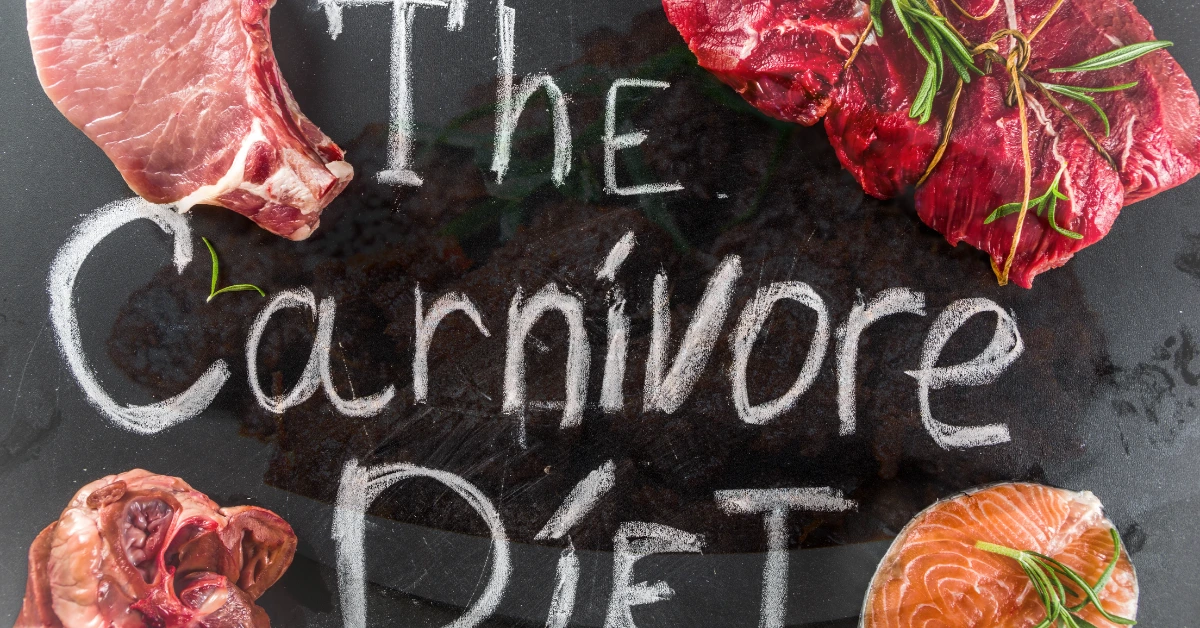
The carnivore diet is simple in its essence: eat only animal products. That means your meals consist largely of meat, fish, eggs, and small amounts of dairy. Excluded are fruits, vegetables, grains, nuts, and seeds. As you might imagine, this diet is highly debated, with proponents praising its potential health benefits and critics questioning its restrictive nature.
Historical Context
The carnivore diet isn’t a new concept; it has roots in ancient eating patterns where humans primarily relied on hunting and animal-based foods. Early human diets varied greatly based on geographical location, but in many regions, animal protein was a staple. Over time, as agriculture developed, plant-based foods became more prevalent, leading to a shift in dietary habits.
Scientific Principles
Central to the carnivore diet is the concept of ketosis, where the body uses fat as its primary energy source instead of carbohydrates. This metabolic state is similar to the ketogenic diet, which is known to promote weight loss and increase energy. Ketosis is achieved by drastically reducing carbohydrate intake, prompting the liver to convert fat into ketones, an alternative fuel for the body.
Variations and Approaches
While the core of the carnivore diet remains the same—focusing on animal products—there are variations in how individuals approach it. Some people strictly consume red meat and water, while others incorporate a broader range of animal products like fish and dairy. Flexible approaches allow for small amounts of spices or non-animal-based seasonings to add flavor and variety.
Carnivore Diet: Before and After
Initial Adjustments
Transitioning to a carnivore diet can be a major shift. Initially, you might experience what’s known as the “keto flu”—a collection of symptoms like fatigue, headaches, and irritability as your body adjusts to using fat as its primary energy source instead of carbohydrates. However, many find that these symptoms subside within a week or two.
Managing Keto Flu
To alleviate the symptoms of keto flu, it’s essential to stay hydrated and maintain electrolyte balance. Increasing your intake of salt, magnesium, and potassium can help mitigate fatigue and muscle cramps. Some find that easing into the diet gradually, rather than abruptly, can reduce the severity of symptoms.
Psychological Adjustments
Mentally adjusting to a carnivore diet can be challenging, particularly for those who previously enjoyed a variety of foods. It requires a shift in mindset, focusing on the benefits rather than the restrictions. Some individuals find keeping a food journal helpful to track progress and stay motivated during the initial phase.
Social Adaptations
Adopting the carnivore diet can also impact social interactions. Dining out or attending social events may require planning, such as selecting restaurants with carnivore-friendly options or bringing your own food. Communicating your dietary needs to friends and family can foster understanding and support.
Potential Benefits
The carnivore diet is praised for various potential health benefits. Many people report significant weight loss, increased energy levels, and improved mental clarity. Some even find relief from chronic ailments like joint pain, inflammation, and certain autoimmune diseases. However, it’s important to note that individual results can vary.
Weight Management
For many, one of the most appealing aspects of the carnivore diet is its potential for weight loss. By cutting out carbohydrates, the body is encouraged to burn fat more efficiently. The high protein content of the diet can also promote satiety, reducing overall calorie intake and aiding in weight management.
Enhanced Mental Clarity
Adherents of the carnivore diet often report improved focus and mental clarity. The absence of sugar and processed foods may lead to more stable blood sugar levels, reducing brain fog and enhancing cognitive function. Additionally, some individuals notice mood stabilization, attributing it to the diet’s impact on hormonal balance.
Pain and Inflammation Reduction
Some people find relief from chronic pain and inflammation when following a carnivore diet. The elimination of inflammatory foods, such as refined carbohydrates and certain plant compounds, may contribute to these improvements. Anecdotal evidence suggests that individuals with autoimmune conditions experience fewer flare-ups and improved symptom management.
Long-Term Effects
Long-term followers of the carnivore diet often report sustained weight loss and muscle gain due to the high protein intake. Additionally, some experience improved digestion, as they eliminate high-fiber foods that can cause bloating or gastrointestinal discomfort.
Digestive Health
Improved digestion is a common long-term benefit noted by carnivore diet adherents. By removing fibrous plant materials, some individuals experience less bloating and gastrointestinal distress. However, it’s essential to monitor your body’s response, as the lack of fiber may lead to different digestive challenges for others.
Muscle Development
The high protein content of the carnivore diet supports muscle growth and maintenance. Amino acids found in animal products are crucial for muscle repair and development. Coupled with regular exercise, many individuals observe increased muscle definition and overall strength.
Sustainability Over Time
Maintaining the carnivore diet over the long term can be challenging for some, requiring ongoing commitment and adaptation. Many find that establishing a routine and meal planning helps sustain the diet. It’s also crucial to stay informed about potential nutritional deficiencies and address them proactively.
Carnivore Diet Results
When evaluating the results of the carnivore diet, it’s essential to consider both physical and mental changes. Physically, adherents often notice a leaner physique and increased muscle definition. Mentally, many report enhanced focus and mood stabilization.
Physical Transformations
Adopting a carnivore diet can lead to noticeable physical changes, such as a leaner body composition and improved muscle tone. The high-protein nature of the diet supports fat loss while preserving muscle mass. Additionally, some individuals report healthier skin and hair as a result of increased nutrient intake from animal products.
Mental Well-Being
Many individuals experience a boost in mental well-being when following the carnivore diet. Stable blood sugar levels contribute to improved mood and reduced irritability. The diet’s emphasis on nutrient-dense foods may also support brain health and cognitive function.
Scientific Research
While anecdotal evidence suggests these benefits, scientific research on the long-term effects of the carnivore diet is still developing. Thus, it’s wise to consult with a healthcare professional before making significant dietary changes. Ongoing studies aim to explore the diet’s impact on health markers and its potential therapeutic applications.
Carnivore Diet Meal Ideas
Breakfast
Breakfast on the carnivore diet can be both satisfying and straightforward. Consider starting your day with a hearty meal of scrambled eggs cooked in butter, paired with bacon or sausage. For those who enjoy variety, a steak and eggs breakfast is a robust option.
Egg-Based Options
Eggs are a versatile breakfast staple on the carnivore diet. Scrambled eggs cooked in butter provide healthy fats and protein to start your day. Omelets filled with cheese and bacon offer variety and can be customized with different meats for added flavor.
Meaty Morning Meals
For those who prefer a heartier breakfast, steak and eggs make for a filling choice. A tender ribeye or sirloin steak paired with sunny-side-up eggs offers a robust start to the day. Including organ meats like liver can also boost nutrient intake and add diversity to your morning routine.
Quick and Easy Ideas
On busy mornings, quick breakfast options like hard-boiled eggs or bacon strips can save time while keeping you on track with the diet. Preparing meals in advance ensures you have carnivore-friendly options readily available, helping you stick to your dietary goals even on hectic days.
Snacks
Finding snacks that fit the carnivore diet can be challenging but not impossible. Beef jerky, pork rinds, and hard-boiled eggs are excellent snack choices that provide protein and fat without carbs. Consider adding cheese for an additional flavor and fat boost.
Portable Protein
Beef jerky and pork rinds are convenient, portable snacks that fit perfectly within the carnivore diet. They offer a satisfying crunch and are easy to carry on-the-go. Homemade versions allow you to control the ingredients and avoid additives found in store-bought options.
Dairy Delights
Cheese is a popular snack choice for many on the carnivore diet. Varieties like cheddar, gouda, and brie provide a rich source of fat and protein. Pairing cheese with cured meats like salami or prosciutto can enhance the flavor profile and provide a satisfying snack option.
Creative Carnivore Snacks
For those seeking variety, consider creating meat-based snacks like meatballs or chicken wings. Seasoned with spices and cooked to perfection, these snacks can be prepared in bulk and enjoyed throughout the week. Incorporating different meats and seasonings keeps snack time exciting and enjoyable.
Desserts
Desserts aren’t typically associated with the carnivore diet, but there are ways to satisfy a sweet tooth while adhering to its principles. A popular option is a whipped cream-based dessert, using heavy cream and a sugar-free sweetener. Another simple choice is a cheese platter with various cheeses that provide a satisfying end to your meal.
Whipped Cream Creations
Whipped cream desserts can be made more indulgent by adding unsweetened cocoa or vanilla extract. These simple additions create a dessert that feels luxurious without breaking dietary guidelines. Serving with a sprinkle of cinnamon or nutmeg can add depth to the flavor.
Cheese Platter Pleasures
A carefully curated cheese platter offers a decadent dessert option. Selecting a variety of cheeses, from soft and creamy to firm and aged, provides different textures and flavors. Pairing with cured meats or a touch of honey (if you’re slightly flexible with the diet) can elevate the experience.
Carnivore-Friendly Treats
Experimenting with carnivore-friendly desserts can be a fun exploration of flavors. Consider making egg custards or cheese-based cakes using cream cheese and eggs. These treats offer a unique way to enjoy dessert while staying true to the principles of the carnivore diet.
Carnivore Diet: Challenges and Considerations
Nutritional Balance
One of the primary concerns with the carnivore diet is its potential lack of nutritional balance. By excluding plant-based foods, you might miss out on essential vitamins and minerals. It’s important to monitor your health and consider supplements to address any deficiencies.
Vitamin and Mineral Deficiencies
Excluding fruits and vegetables can lead to deficiencies in vitamins like vitamin C and minerals such as potassium. Regular blood tests can help monitor nutrient levels and determine if supplements are necessary. Incorporating organ meats like liver can provide essential nutrients naturally.
Importance of Monitoring
Regular health check-ups and blood tests are crucial for those on the carnivore diet to ensure nutritional adequacy. Monitoring cholesterol levels, kidney function, and other health markers helps identify potential issues early. Consulting with a healthcare professional can provide guidance and support.
Supplementation Strategies
For those concerned about deficiencies, strategic supplementation can help maintain balanced nutrition. Vitamin D, omega-3s, and magnesium are common supplements considered by carnivores. Tailoring supplementation to individual needs ensures optimal health while following the diet.
Social Considerations
The carnivore diet can also pose social challenges, as it diverges significantly from mainstream eating habits. Dining out may require careful menu navigation, and social gatherings may necessitate bringing your own compliant food options.
Dining Out Tactics
Navigating restaurant menus on the carnivore diet may require creativity. Opt for simple grilled meats, request dishes without sauces or sides, and inquire about ingredient modifications. Choosing steak houses or BBQ restaurants can offer more carnivore-friendly choices.
Communicating with Others
Explaining your dietary choices to friends and family can help manage social situations. Sharing your reasons for following the diet and the benefits you’ve experienced can foster understanding and support. Being prepared with explanations can also reduce awkwardness in social settings.
Hosting and Attending Events
When hosting gatherings, preparing carnivore-friendly dishes ensures you have options to enjoy. Communicating dietary needs with hosts when attending events can lead to accommodations or the option to bring your own food. Flexibility and preparation are key to maintaining social connections while on the diet.
Sustainability
Sustainability is another consideration for those on the carnivore diet. The environmental impact of a meat-heavy diet is a topic of debate, and some followers may grapple with ethical considerations regarding animal welfare.
Environmental Impact
The environmental footprint of the carnivore diet is a concern for many. Meat production, particularly beef, has been linked to higher greenhouse gas emissions compared to plant-based foods. Exploring sustainable sourcing and supporting local farmers can mitigate some environmental concerns.
Ethical Considerations
Ethical considerations regarding animal welfare can impact one’s decision to follow a carnivore diet. Some individuals choose to support ethical farming practices and humane treatment of animals. Being informed about sourcing and animal welfare can align dietary choices with personal values.
Balancing Sustainability and Diet
Balancing the desire to follow a carnivore diet with sustainability concerns requires conscious choices. Incorporating sustainably sourced meats and reducing food waste are steps that can be taken. Engaging in discussions about diet and sustainability can also contribute to broader awareness and change.
Carnivore Diet: Is It Right for You?
Deciding whether the carnivore diet is suitable for you involves weighing its potential benefits against its challenges. Consider your health goals, lifestyle, and ethical beliefs. Consulting with a nutritionist or healthcare provider can provide personalized guidance and ensure you’re making a well-informed decision.
Personal Health Goals
Evaluating your personal health goals is a crucial step in determining if the carnivore diet is right for you. Consider whether weight loss, muscle gain, or improved energy aligns with your objectives. Understanding how the diet’s principles relate to your goals can guide your decision-making process.
Lifestyle Compatibility
Assessing how the carnivore diet fits into your lifestyle is essential. Consider factors such as your schedule, social life, and access to carnivore-friendly foods. The diet requires a commitment to meal planning and preparation, which may impact your daily routine.
Ethical and Personal Beliefs
Your ethical and personal beliefs play a significant role in deciding whether to follow the carnivore diet. Consider how the diet aligns with your values regarding animal welfare, environmental impact, and food sourcing. Balancing personal beliefs with dietary choices can lead to a more fulfilling and sustainable lifestyle.
Conclusion
The carnivore diet is undoubtedly transformative for those who choose to follow it. With potential benefits like weight loss, improved energy, and mental clarity, it’s easy to see why many find it appealing. However, it’s not without its challenges, including nutritional balance and social adaptability.
Before embarking on this dietary journey, it’s crucial to conduct thorough research and consult with healthcare professionals to ensure it’s the right fit for you. Whether you’re drawn to the diet for health reasons or curiosity, understanding its effects will help you make an informed choice about its place in your lifestyle.

Ihtesham is a unique blend of science and tech. A licensed pharmacist by profession, he combines his deep understanding of health with a passion for web development. As the founder of Health Oasis Online, Ihtesham specializes in providing evidence-based health content, making complex information accessible and trustworthy.http://ihtesham.net